 The Daily
 Home›All Topics›Tongkat Ali
Tongkat Ali: What men 45+ need to know
A Southeast Asian root that's becoming one of the most researched botanicals for men's health. Here's what the science actually shows.
The short version
- It supports natural hormone production: Tongkat Ali appears to support your body's natural hormone production without adding hormones from outside.
- Research backs it up: Multiple studies show men report improved energy, mood, and physical performance.
- Dosage matters: Look for standardized extract (22%+ quassinoids), 100-300 mg daily.
- It's not a fast effect: Men who report a difference are generally the ones who stuck with a standardized extract for a while, not the ones who took it once or twice.
What Tongkat Ali actually does
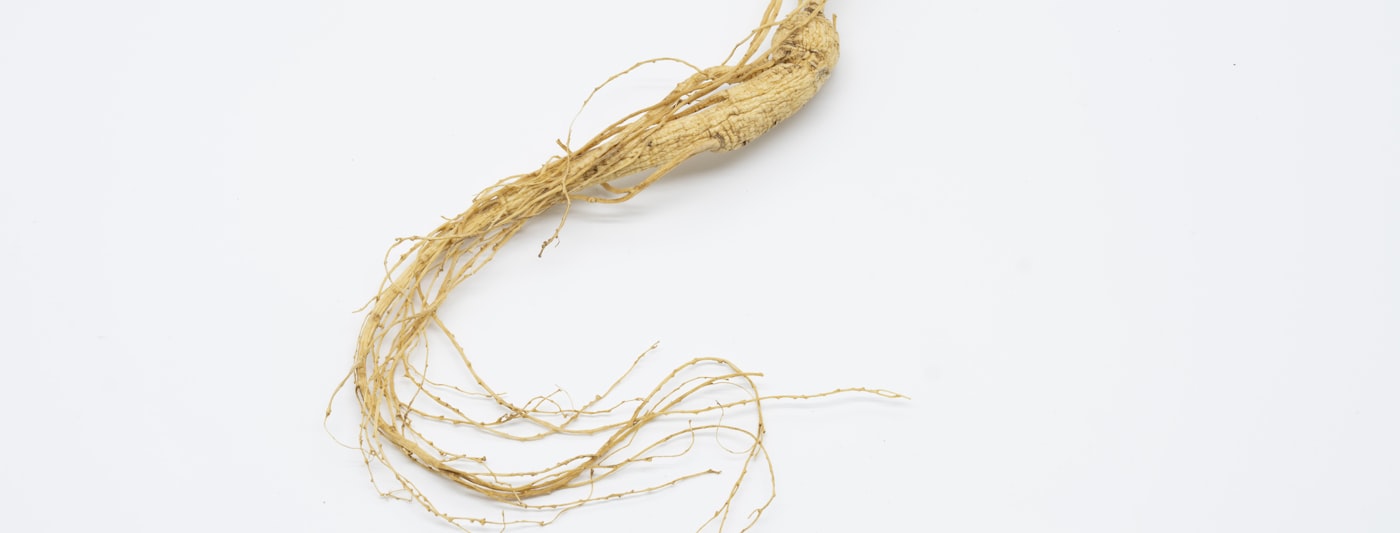
Tongkat Ali (also called Eurycoma longifolia or Malaysian ginseng) is a plant root native to Southeast Asia that's been used in traditional medicine for centuries. Over the past two decades, Western researchers have been studying it seriously—and what they've found has made it one of the most researched botanicals for men's health.
Tongkat Ali contains compounds called quassinoids and other bioactive molecules that interact with your body's natural processes. The research suggests it works through several pathways.
Support for natural hormone balance
As men age, hormone levels naturally shift. Testosterone production gradually decreases—this is normal and happens to every man. Tongkat Ali appears to support your body's natural hormone production without adding hormones from outside.
Studies show men taking Tongkat Ali supplementation reported improved feelings of energy, mood, and general well-being. The mechanism seems to be supporting your body's natural testosterone production, not replacing it.
Energy and stamina
Multiple studies have found that men taking Tongkat Ali reported increased energy levels and reduced fatigue. Some reported improvements in physical endurance and exercise performance. This makes sense if you think about it—if your body's hormone production is better supported, you'd naturally have more energy.
Mood and mental clarity
Beyond just physical energy, men report clearer thinking and better mood on Tongkat Ali. Some describe it as "feeling more like myself again." This likely ties to the hormone-support mechanism—when your hormone levels are better balanced, your mood and mental clarity improve as a natural consequence.
Why it matters for men over 45
Your 40s and 50s are when hormone changes start becoming noticeable. You might notice:
- Less energy throughout the day (especially afternoon slump)
- Harder to maintain muscle, even with the same workout
- Changes in mood or motivation
- Decreased interest in activities you used to enjoy
- General feeling of "things are different"
These aren't signs of disease. They're the normal result of how your body changes with age. But they're also things you don't just have to accept.
Tongkat Ali's angle is different from a lot of what's marketed for this—it's aimed at supporting your body's natural hormone production, not just papering over how the symptoms feel day to day.
What the research shows
Tongkat Ali is one of the more studied herbal ingredients for men's health, though "studied" doesn't mean every claim made about it holds up. Here's an honest read of the actual trials, not the summary version that circulates on supplement pages.
Testosterone: the best available evidence is a 2022 systematic review and meta-analysis pooling five randomized trials (267 men)1, which found a significant overall increase in serum testosterone — but the effect was only statistically significant in men who started with low testosterone (below 300 ng/dL); in men whose levels were already normal, the pooled effect wasn't significant. That's a meaningfully different, more modest claim than "raises testosterone" as a blanket statement.
Fatigue and aging-male symptoms: in the strongest single trial on this question — 105 men aged 50-70 with low baseline testosterone, 12 weeks, placebo-controlled2 — the 200mg dose measurably improved fatigue scores and an aging-male-symptoms questionnaire starting at 2 weeks. Worth knowing: a separate placebo-controlled trial measuring mood specifically3 found real improvements in tension, anger and confusion, but no significant effect on vigor or fatigue — so "energy" isn't a universal finding across every trial that's looked for it.
Muscle strength: this is the weakest part of the case. The main support is a small, uncontrolled pilot study in older cyclists (13 men, no placebo arm)4, which isn't strong enough to establish cause and effect on its own. A separate randomized trial that added Tongkat Ali on top of an 8-week resistance-training program in younger men5 found no additional strength benefit over training with a placebo. The honest summary: some signal exists, mostly from weaker study designs, and it hasn't held up in the one controlled trial built to test it directly.
A conflict of interest worth naming: nearly every positive trial cited above was funded by, or involved employees of, the company that manufactures the Physta extract used in the research. That doesn't make the findings false, but it's the kind of thing a credible source discloses rather than leaves out — see the sources list at the bottom of this page.
Tongkat Ali and testosterone: what the research actually shows
This is the question behind most of the interest in Tongkat Ali, so it's worth answering directly rather than folding into the general research section above.
Several small trials have measured testosterone at the start and again after a period of Tongkat Ali supplementation, mostly in men with lower-than-typical levels to start. The 2022 meta-analysis referenced above1 found the general pattern: an increase in men who started low, with no significant change in men whose levels were already in a normal range. That's a meaningfully different claim from "raises testosterone" as a blanket statement, and it's the honest version of what the research supports — with the caveat that the same review flagged high variation between the pooled trials and a statistical signal of publication bias, both of which mean the true effect could be smaller than the headline number suggests.
It's also not the same mechanism as anabolic steroids or exogenous testosterone. Tongkat Ali doesn't add hormones from outside — the research suggests it supports the body's own production and how efficiently existing testosterone is used, which is a more modest effect than replacement therapy and works on a different timeline entirely.
If you suspect your testosterone is actually low — persistent fatigue, low libido, mood changes, reduced muscle mass — a blood test from a doctor is the only way to know, and the only path to an actual diagnosis. A supplement is not a substitute for that conversation.
Tongkat Ali side effects and who should avoid it
Reported at normal studied dosages (100–300 mg of standardized extract), Tongkat Ali is generally well tolerated. The side effects that do show up in studies and user reports are usually mild:
- Restlessness or trouble sleeping if taken later in the day — some men describe it as mildly energizing, which is worth knowing before you take it at night.
- Stomach upset at higher doses, less common when taken with food.
- Irritability or a wired feeling in a minority of users, usually resolving at a lower dose.
Who should check with a doctor before starting it:
- Anyone with a hormone-sensitive condition, including a history of prostate cancer — Tongkat Ali's effect on hormone pathways is exactly why this matters
- Anyone on blood pressure or diabetes medication, since a few reports note interactions
- Anyone already on prescribed hormone therapy of any kind
- Anyone taking a new supplement for the first time while on regular medication — a five-minute pharmacist check is free and removes the guesswork
How much do you actually need?
Clinical trials used between 100-300 mg of standardized extract daily. This is important: "Tongkat Ali" is a plant, but what matters for your body is the concentration of the active compounds — and different manufacturers standardize to different markers entirely, which is where a lot of label confusion comes from.
Two branded extracts account for most of the actual research:
- Physta® — standardized to roughly 0.8–1.5% eurycomanone (a quassinoid). This is the extract used in most of the testosterone and fatigue trials cited above.
- LJ100® — standardized to 22% eurypeptides and 40% glycosaponins, a different marker from a different manufacturer, with less trial data behind it than Physta.
The two aren't interchangeable, and "22% quassinoids" — a figure that shows up on a lot of supplement labels — appears to conflate the two standards. A label that just says "Tongkat Ali" with no standardization method named tells you almost nothing about what's actually in the capsule.
When do you feel it?
This is the real question, and it matters for setting expectations. Tongkat Ali isn't like a stimulant or medication. You don't take it and feel a sudden rush. Instead, you gradually notice you're sleeping better, you have more energy through the day, your mood is more stable, and you feel more like yourself.
There's a loose order to what men tend to notice, though it doesn't land on the same week for everyone: sleep quality and general energy are usually the first things people describe changing, since those track most directly with the hormone-support mechanism. Mood, motivation and workout performance tend to follow, if they show up at all, as that continues with consistent use.
Everyone's different, and a page that hands you an exact week-by-week schedule is describing a pattern that doesn't hold for most people, not a guarantee. Judge it on consistent use over real time, not a calendar.
Tongkat Ali vs. other options
vs. Artificial hormones: Tongkat Ali supports your body's natural production rather than adding synthetic hormones. This is why men prefer it—it works with your body, not against it.
vs. Stimulants: Stimulants (like caffeine or energy drinks) give you a temporary boost, then you crash. Tongkat Ali supports your baseline energy level, so you don't get the crash.
vs. Other herbs: Ashwagandha works differently (reduces stress and cortisol). Ginseng works differently (more immediate energy). Maca works differently (more focused on physical performance). Tongkat Ali is specifically about hormone support, which is why it's often combined with these other ingredients for a more complete approach.
The label checklist
One page on reading a men's supplement label properly: what a "proprietary blend" is hiding, which ingredients are doing real work, and the three questions worth asking before you spend anything. Free, and there's nothing to sign up for.
Open the checklistIs it right for you?
Tongkat Ali makes sense if you're experiencing:
- ✓ General energy decline as you age
- ✓ Changes in body composition (harder to maintain muscle)
- ✓ Mood or motivation shifts
- ✓ Changes in physical performance
- ✓ General feeling of "not being yourself"
Always talk to your doctor before starting any supplement, especially if you're on medications or have existing health conditions.
How to use it effectively
If you decide to try Tongkat Ali:
- Get a quality source. Look for products with standardized extract (at least 22% quassinoids) from reputable brands.
- Be consistent. Take it daily for a real stretch of time before deciding whether it's doing anything — a week or two of on-and-off use won't tell you much either way.
- Combine with lifestyle. Tongkat Ali works better when you're also sleeping well, exercising regularly, and eating reasonably.
- Start with one thing. Don't add three new supplements at once. Add Tongkat Ali by itself, see how you respond.
- Track what matters to you. Energy levels, sleep quality, mood, workout performance—notice what changes.
The bottom line
Tongkat Ali is one of the few herbal ingredients with real research backing its effectiveness for men over 45. It supports your body's natural hormone production, which translates to more energy, better mood, and a general feeling of being more like yourself.
Combined with good sleep, regular exercise, and decent eating habits, it can make a meaningful difference in how you feel day to day.
Sources
- Leisegang K, et al. "Eurycoma longifolia (Jack) Improves Serum Total Testosterone in Men: A Systematic Review and Meta-Analysis of Clinical Trials." Medicina, 2022.Meta-analysis, 5 RCTs, 267 men. Significant increase pooled overall; significant only in the low-testosterone subgroup. Authors flag high heterogeneity and a signal of publication bias.
- Chinnappan SM, et al. "Effect of Eurycoma longifolia standardised aqueous root extract–Physta® on testosterone levels and quality of life in ageing male subjects." Food & Nutrition Research, 2021.RCT, 105 men aged 50–70 with low baseline testosterone. Fatigue and aging-male-symptom scores improved from week 2. Two authors are employees of the extract's manufacturer.
- Talbott SM, et al. "Effect of Tongkat Ali on stress hormones and psychological mood state in moderately stressed subjects." J Int Soc Sports Nutr, 2013.RCT, 63 adults, 4 weeks. Improved tension, anger and cortisol vs. placebo — but no significant effect on vigor or fatigue specifically. Manufacturer-funded.
- Henkel RR, et al. "Tongkat Ali as a potential herbal supplement for physically active male and female seniors – a pilot study." Phytotherapy Research, 2014.Uncontrolled pilot, 13 male cyclists aged 57–72, no placebo arm. The main basis for muscle-strength claims — a weak study design on its own.
- Chen CD, et al. "Effects of Eurycoma longifolia Jack Supplementation Combined with Resistance Training on Isokinetic Muscular Strength and Power..." Int J Prev Med, 2019.RCT, young men, 8 weeks resistance training. Tongkat Ali added no strength benefit over training with placebo.
This article is general information, not medical advice, and does not replace a consultation with a qualified healthcare professional. Dietary supplements are not intended to diagnose, treat, cure or prevent any disease.